Kona or Kauai Coffee: Which Island Should You Tour and Taste?
A side-by-side comparison of Kona and Kauai coffee: growing regions, taste, price, labeling law, and which island's tour experience suits which drinker.
Kona or Kauai Coffee: Which Island Should You Tour and Taste?
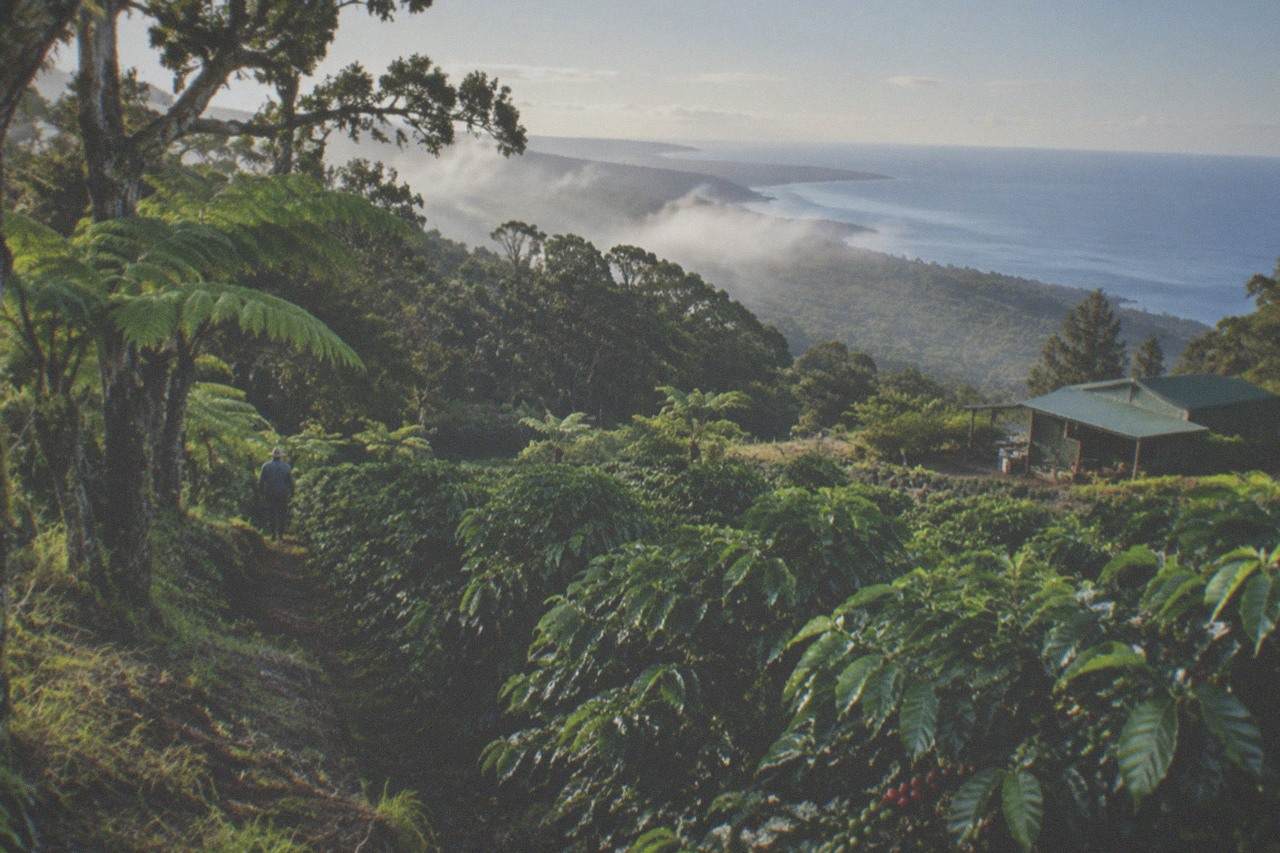
Hawaii grows serious coffee on more than one island, but the two names travelers ask about most, Kona and Kauai, could hardly be built more differently. Kona coffee comes from a legally defined strip of land on the west side of Hawaii Island roughly 30 miles long and about 2 miles wide, worked mostly by small family farms. Kauai coffee comes from a small number of very large estates on the Garden Isle, where machine harvesting replaces hand picking. The cup, the price, and the experience of visiting are shaped by that split. This guide compares both, and if you lean Kona, it points you to the tours that show the belt at its best.
Kona or Kauai Coffee: Which Island Should You Tour and Taste?
Kona rewards the drinker who wants rare, hand-picked single-origin coffee and a walk among small farms; Kauai suits the visitor who wants an easy, large-scale estate visit and widely available coffee at gentler prices. Kona's output is small by design, and the 2025-26 statewide forecast of 17.8 million pounds of cherry, down 20 percent, covers every island. Choose Kona for depth and scarcity, Kauai for scale and convenience.
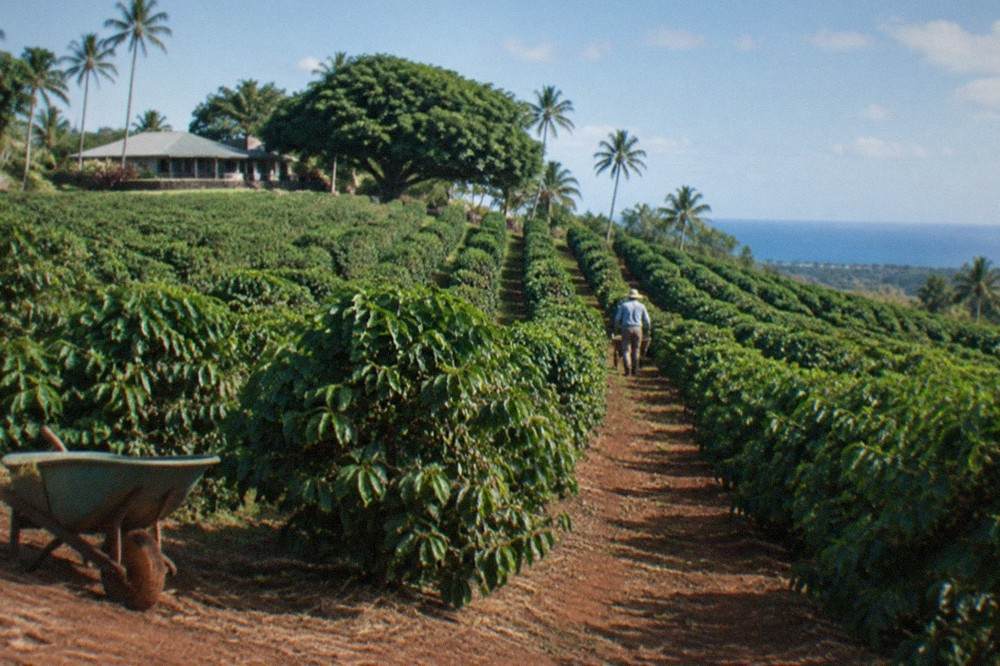
That production number deserves a pause. The USDA forecast of 17.8 million pounds of cherry for the whole state in 2025-26, down 20 percent, covers every island, every district, every farm. Kona's share of it is modest because the belt itself is modest: the North and South Kona districts, on the western slopes of Hualalai and Mauna Loa, spanning roughly 30 miles north to south and only about 2 miles wide. Land inside that line is porous volcanic soil, bathed in sunny mornings and afternoon cloud cover, with elevation running from about 500 feet up to 3,200 feet, the core growing zone sitting between 700 and 2,000 feet.
Kauai operates on the opposite logic. Its coffee comes from a handful of estates on the south and west sides of the island, planted in large contiguous blocks and harvested mechanically. There is no Kauai equivalent of the hundred smallholder farms strung along Mamalahoa Highway, and there is no legal "Kauai coffee belt" definition comparable to the one that protects the Kona name. That is not a knock on Kauai. Mechanized estates can produce consistent coffee at volume and price points that a two-mile-wide Kona belt simply cannot touch (see Worth the Price?). But it makes the two islands different products, not rivals.
If your trip already includes Hawaii Island, the choice may be made for you. For everyone else deciding between the islands, the sections below compare the growing, the taste, the price, the law, and the tour experience, so you can pick with your own palate and itinerary in mind. For the Kona side of that decision, these three tours show the range of the island's coffee experiences, from a Hilo-side ranch walk to a classic Kona belt farm tour and a cruise-friendly shore excursion.
What Makes Kona Coffee Different From Kauai Coffee?
The core difference is origin law and scale. By Hawaii statute, "100% Kona Coffee" means beans grown only in the North and South Kona districts of Hawaii Island and graded under state green coffee standards, while Kauai has no comparable district definition. Kona is farmed by smallholders who hand-pick; Kauai is dominated by large estates that harvest with machines. Taste, price, and even the label on the shelf follow from those two facts.
The label itself is worth understanding, because it is where Kona's distinctiveness is written into law. Since July 1, 2024, any coffee using a Hawaii geographic origin name must carry an identity statement disclosing the percent by weight of Hawaii-grown coffee from that origin, plus a "Contains:" list of all origins and percentages on the front label. A "Kona blend" today must contain at least 10 percent Kona beans, and that minimum rises to 51 percent on July 1, 2027. A bag labeled simply "Kona Coffee" with no percentage implies 100 percent Kona, and blends that fail to disclose are non-compliant. You can read the state's labeling guidelines directly, including the front-label identity statement rules that now apply to every Hawaii-origin bag on the shelf.
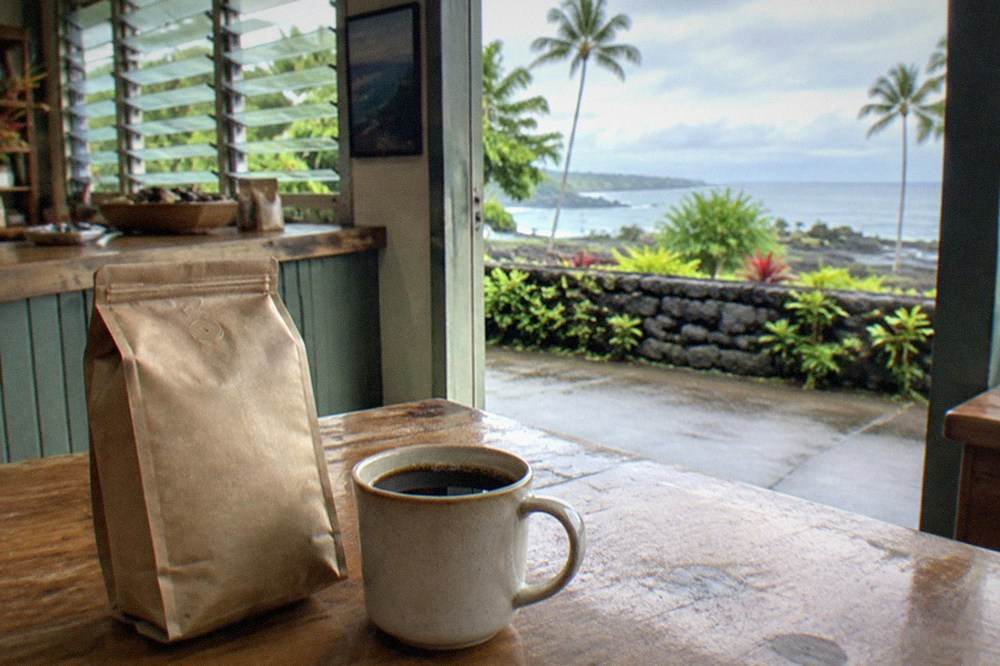
None of that protection exists for the Kauai name in the same district-specific form. Kauai coffee is Hawaii-grown coffee, and under the 2024 rules its bags must disclose percentages like any other Hawaii-origin product, but there is no statutory district boundary defining "Kauai coffee" the way the North and South Kona lines define Kona. The Kona Coffee Council, a nonprofit grower organization, administers a voluntary 100% Seal of Approval program with an audit trail behind it; a bag carrying that seal is making a specific, checked claim about where its beans grew.
Scale changes the cup too, though not always in the direction people assume. Kona's harvest runs late August through January, with peak picking October through December, and berries are picked by hand in multiple rounds so only ripe fruit goes to the mill. The record farm-gate price for Hawaii cherry coffee, $2.51 per pound in the 2023-24 season, tells you what that labor costs. Machine harvesting on a Kauai estate strips the branch in one pass, ripeness mixed, which is standard practice for volume coffee worldwide and why estate Kauai can sell at prices a hand-picked Kona farm cannot match. Neither approach is fake; they are just aiming at different cups.
Wondering which side of Hawaii Island to book for your own tasting? This is the moment to check dates.
Should You Taste Both Islands Before Deciding?
How Do the Two Islands Grow Coffee?
Kona grows coffee on small farms inside a narrow, legally bounded belt on Hawaii Island's leeward slopes, between roughly 700 and 2,000 feet of elevation, with about 60 or more inches of annual rainfall arriving mostly as afternoon clouds. Kauai grows coffee on large mechanized estates at lower, wetter elevations. Kona's pattern of sunny mornings and cloud-shaded afternoons is the textbook version of what coffee cherry wants.
The Kona belt's geography is unusually precise for coffee anywhere in the world. North and South Kona districts, on the western slopes of Hualalai and Mauna Loa, run about 30 miles north to south, but the growing land is only about 2 miles wide, between roughly 500 and 3,200 feet of elevation with the core zone from 700 to 2,000 feet. Sunny mornings let the fruit photosynthesize hard; afternoon cloud cover acts as shade and moisture without burying the farm in rain. Volcanic soil drains fast. It is the reason a first page of search results describes Kona's climate in nearly identical terms across farms, universities, and state agencies.
Flowering follows the dry periods, with bloom peaks mainly January through April, triggered when rain arrives after dryness. Fruit then develops through summer into the late-August start of harvest. Because lower-elevation South Kona farms ripen earlier than higher farms, picking moves up the belt through the season, and a visit in October or November catches trees full of red cherry plus wet milling and sun-drying on the decks (see Why Kona Is Special).
Kauai's production model skips nearly all of that handwork. Estate blocks are planted in even rows sized for machine harvesters, and the picking calendar compresses into efficient passes rather than multiple selective rounds. For the visitor, the contrast is visible on arrival: a Kona farm tour threads between mixed-age trees on gravel paths, often with the farmer's family working the same land; a Kauai estate tour tends to be a plantation-scale operation with long views over row crops. Both can be genuinely interesting days out. They are just different kinds of agriculture.
There is one island-level wrinkle worth knowing in 2026: the coffee berry borer, a damaging beetle established on Hawaii Island since 2010, was formally designated as infesting Kauai effective June 24, 2026, with Molokai remaining uninfested under stricter movement rules. The pest pressure on Hawaii Island is old news and managed through pruning, sanitation, monitoring, and targeted sprays. It has not stopped Kona from producing; the 2025-26 forecast of 17.8 million pounds of cherry statewide was down 20 percent mostly on acreage and yield, bearing acreage falling to 6,500 acres with average yield down to 2,800 pounds of cherry per acre.
| Factor | Kona belt | Kauai estates |
|---|---|---|
| Legal origin definition | North and South Kona districts only, by statute | Hawaii-grown, but no district boundary comparable to Kona's |
| Farm scale | Mostly small family farms along a 2-mile-wide belt | A small number of large, contiguous plantations |
| Harvest method | Hand-picked in multiple rounds, late August through January | Machine harvested in bulk passes |
| Elevation | Roughly 500 to 3,200 feet, core zone 700 to 2,000 feet | Lower, more uniform estate elevations |
| Climate pattern | Sunny mornings, afternoon clouds, about 60+ inches of rain a year | Wetter trade-wind weather, more uniform through the day |
| Typical visitor experience | Small-farm walks, cupping, farm stands | Plantation-scale estate tours |
One pest-management note for anyone reading between the rows: organic certification appears on this site's roster only where the listing itself carries the word, as with Mountain Thunder's organic farm and mill tour on the Kona side. General green claims about any farm, on either island, are worth treating with caution unless the certification is stated.
Which Coffee Actually Tastes Better?
There is no objective winner, only different aims. Kona's reputation rests on smoothness, low acidity, and clean flavor from hand-picked, small-batch processing, with milled green Kona trading near $25 to $35 per pound in the current tight-supply season. Kauai's estate coffee leans toward a milder, easy-drinking profile at friendlier prices. If you prize a distinctive single-origin cup, Kona has the stronger claim.
Taste comparisons are where these articles usually go vague, so let us anchor in what is actually documented. Kona's flavor reputation comes from a specific process: hand picking in rounds means only ripe cherry is pulped, and small-batch wet milling plus sun-drying on decks keeps lots separate. The result, described consistently across the industry, is a balanced, low-acid cup, sometimes with nut or spice notes, that earned the belt its price. The 2025-26 season's tight supply, statewide production down 20 percent, keeps authentic Kona green at elevated levels of roughly $25 to $35 per pound milled. The wider set of guides lives on Kona Coffee Tours.
Kauai's profile is the estate story. Machine harvesting at volume produces consistent, mild coffee that roasts into an approachable everyday cup. Estate Kauai roasts appear widely in island shops and mainland grocery aisles, often at blend-level prices. For a drinker who wants coffee they can enjoy and share without ceremony, that is a genuine advantage, not a compromise.
The practical taste test is one you can run on either island: taste before you buy. Kona farm tours almost always end in a tasting, and the Kona-side options on this site range from a $5 sampler walk whose fee is credited to the farm gift shop to a cupping workshop capped at 4 participants per session. The Kona Coffee Cultural Festival, running November 6 to 15 in 2026, includes a Grand Finale tasting event and a cupping competition, which is about as close to a blind head-to-head as a traveler can get.
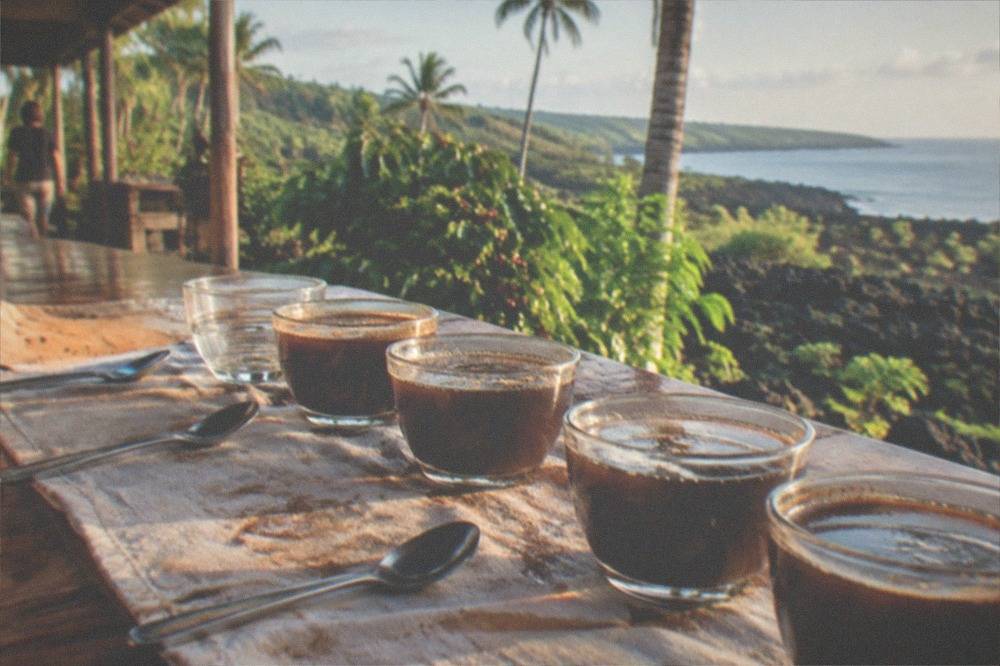
For readers planning a Kona-side visit around the cup itself, the Kona coffee tasting guide lays out where to taste and what a flight typically includes, while the Kona coffee farm tours guide compares the walk-through options.ffee-farm-tours/) covers the full range of farm walks. One honest note for the belt-curious: the "Small-Group Farm Walk, Max 12" at Hala Tree Coffee is the highest rated farm walk on this site's roster at 4.9 from 80 reviews, from $10, and its coffee comes from the Captain Cook heart of the belt.
Which Island's Coffee Tours Are Better?
Kona wins on variety and intimacy: this site's Kona-side roster spans a $5 near-free sampler, a 2-hour organic farm and mill walk, a chocolate-and-coffee combo at 5.0 from 392 reviews, and a private crop-to-cup group tour, plus genuinely free walk-on tours at farms like Greenwell. Kauai offers polished estate visits but far fewer distinct experiences. If the tour itself is the point, Hawaii Island is the stronger draw.
Consider the spread on the Kona side of this site's own roster. The near-free sampler, "Short Sampler Walk, Max 25," runs from $5 with the fee credited to the gift shop, 5.0 from 188 reviews, meeting poolside by the navy blue umbrella in Holualoa. Its fuller sibling, the "Full-Hour Farm Walk, Max 20," is 4.9 from 265 reviews from $33 and was booked 4 times today, a sign of steady demand. The best reviewed tour on the whole roster is the "Chocolate Farm Combo, 3 Hours" at 5.0 from 392 reviews, from $50, running Tuesdays and Thursdays at 9am, booked 5+ times today. Beyond the bookable cards, Greenwell Farms runs a free guided tour daily, every 30 minutes from 8:30am to 2:00pm, no reservation needed, 45 to 60 minutes, and Mountain Thunder also admits walk-ins for short free tours. The belt's free infrastructure is deep.
Kauai's tour scene is concentrated in its big estates, which means fewer stops but well-organized ones. The comparison is not quality against quality; it is depth against convenience. A single large estate can show you more total acreage in an afternoon than a week of Kona farm walks. What it cannot show you is the belt's texture: the shift from one family's kuriba to the next farm's drying deck, the road itself becoming the tour. That layered experience is why people write about the Kona coffee belt as a place rather than a product, and the belt's story, from its climate to its 2024 labeling law, is covered in the Kona coffee belt guide.
For visitors arriving by cruise ship, Kona's tender port has its own answer: the "Shore Excursion With Port Pickup" is 4.6 from 418 reviews, from $149, 5 hours, picking up right at Kailua Pier and folding a coffee stop into a turtles-and-historic-Kona loop. No comparable coffee-forward shore product exists on Kauai's cruise side at this scale, at least not on this roster. Kona is a tender port, ships anchor offshore and passengers boat to Kailua Pier, so pier pickup genuinely matters for timing.
Which Island Should You Choose, Honestly?
Choose Kona if the coffee is the trip: you want to taste single-origin lots, walk small farms, maybe cup with a roaster, and you accept scarcity and higher prices, plus a drive of roughly 23 to 26 minutes from Kailua-Kona to Captain Cook or about 8 minutes to Holualoa. Choose Kauai if coffee is one pleasant stop on a broader itinerary and you prefer easy estate visits. A drinker who loves the story of a place drinks Kona.
There is a cost dimension worth stating plainly. Bookable Kona coffee experiences on this roster run from $5 to $50 for farm-level tours, $145 to $276 for day trips that fold coffee into a bigger island loop, and $309 to $4,340 for private group options at the luxury end. Green Kona to take home sits near $25 to $35 per pound milled in the current season. None of that is cheap, and the honest framing is that you are paying for a scarce, hand-produced product from a two-mile-wide district.
| Kona-side experience | Decision name | Price | Rating and reviews |
|---|---|---|---|
| Near-free sampler walk | Short Sampler Walk, Max 25 | From $5, credited to the gift shop | 5.0 from 188 reviews |
| Full-hour farm walk | Full-Hour Farm Walk, Max 20 | From $33 | 4.9 from 265 reviews |
| Small-group farm walk | Small-Group Farm Walk, Max 12 | From $10 | 4.9 from 80 reviews |
| Organic farm and mill | Organic Farm and Mill, 2 Hours | From $30 | 4.8 from 27 reviews |
| Coffee and chocolate combo | Chocolate Farm Combo, 3 Hours | From $50 | 5.0 from 392 reviews |
| Free walk-on farm tour | Greenwell Farms free guided tour | Free, no reservation | Voted Hawaii's Best Farm Tour 2021 and 2023-2026 by Hawaii Magazine |
One more thing worth doing before you book anything on either island: read the label on any bag you are tempted by. If it says "Kona blend," the percentage on the front tells you how much Kona is inside, and that minimum rises from 10 percent to 51 percent on July 1, 2027. The Kona Coffee Council's own site explains the voluntary 100% Seal of Approval and what a checked claim means. A bag from either island that discloses its percentages plainly is playing by the rules that took effect in 2024.
If your Kona-side plan stretches to the Hilo side of the island, the "Farm-to-Cup Ranch Walk, 90 Minutes" at Ohana Ranch is worth the drive: 4.5 from 46 reviews, from $49, capped at 12 guests, and booked 5+ times last week. Just remember it sits in Mountain View, about 90 minutes from Kailua-Kona, so it pairs naturally with a volcano day rather than a belt morning.
Common Questions About Kona and Kauai Coffee
Is Kauai or Kona coffee better?
Neither is objectively better; they aim at different cups. Kona is hand-picked, small-batch, single-district coffee with a legal origin definition and elevated prices, roughly $25 to $35 per pound for milled green in the current season. Kauai is estate-grown, machine-harvested, consistent and gentler in price. Drinkers who prize distinctiveness tend to prefer Kona; drinkers who want easy daily coffee often prefer Kauai.
Is Kauai coffee real Hawaiian coffee?
Yes. Kauai coffee is Hawaii-grown coffee, and under the labeling rules in effect since July 2024 its bags must disclose the percentage of Hawaii-grown coffee on the front label like any other Hawaii-origin product. What Kauai lacks is a district-specific statutory definition comparable to the North and South Kona boundary that defines "100% Kona Coffee."
Why is Kona coffee so much more expensive?
Scarcity and labor. The belt is only about 30 miles long and 2 miles wide, harvest is hand picking in multiple rounds from late August through January, and the 2025-26 statewide crop forecast fell 20 percent to 17.8 million pounds of cherry, tightening supply further. The record farm-gate cherry price of $2.51 per pound in the 2023-24 season reflects that cost structure.
Can you tour coffee farms on both islands?
Yes. On Hawaii Island, Kona-side options range from a free guided tour at Greenwell Farms, daily every 30 minutes from 8:30am to 2:00pm with no reservation, to bookable walks from $5 to $50 and a 3-hour coffee and chocolate combo at 5.0 from 392 reviews. Kauai offers large estate visits; they are polished but fewer in number.
What does a Kona blend label actually mean?
A "Kona blend" must currently contain at least 10 percent Hawaii-grown Kona coffee, and the label must state that percentage up front with a "Contains:" list of all origins. On July 1, 2027, the minimum rises to 51 percent. A bag labeled just "Kona Coffee" implies 100 percent Kona and cannot legally be a blend.
When is the best time to visit Kona coffee farms?
Peak harvest activity, with picking, wet milling and sun-drying all visible, runs October through December, and the broader season runs late August through January. The Kona Coffee Cultural Festival, November 6 to 15 in 2026, adds tastings and farm events on top of that window.
If you land on the Kona side of this comparison, the tours below cover the belt's three most useful angles: a ranch walk on the Hilo side, the highest rated small-group farm walk in Captain Cook, and a shore excursion for tender-port arrivals.