Kona Coffee Tasting Guide: Flights, Cupping Workshops and Tasting Rooms
Every Kona farm visit ends with coffee in a cup, but the formats differ more than most visitors expect: a tasting-room pour, a structured flight, and a formal cupping session are three different experiences at three different prices. This guide separates them so you can book the one that matches how you actually like to drink.
Short answer
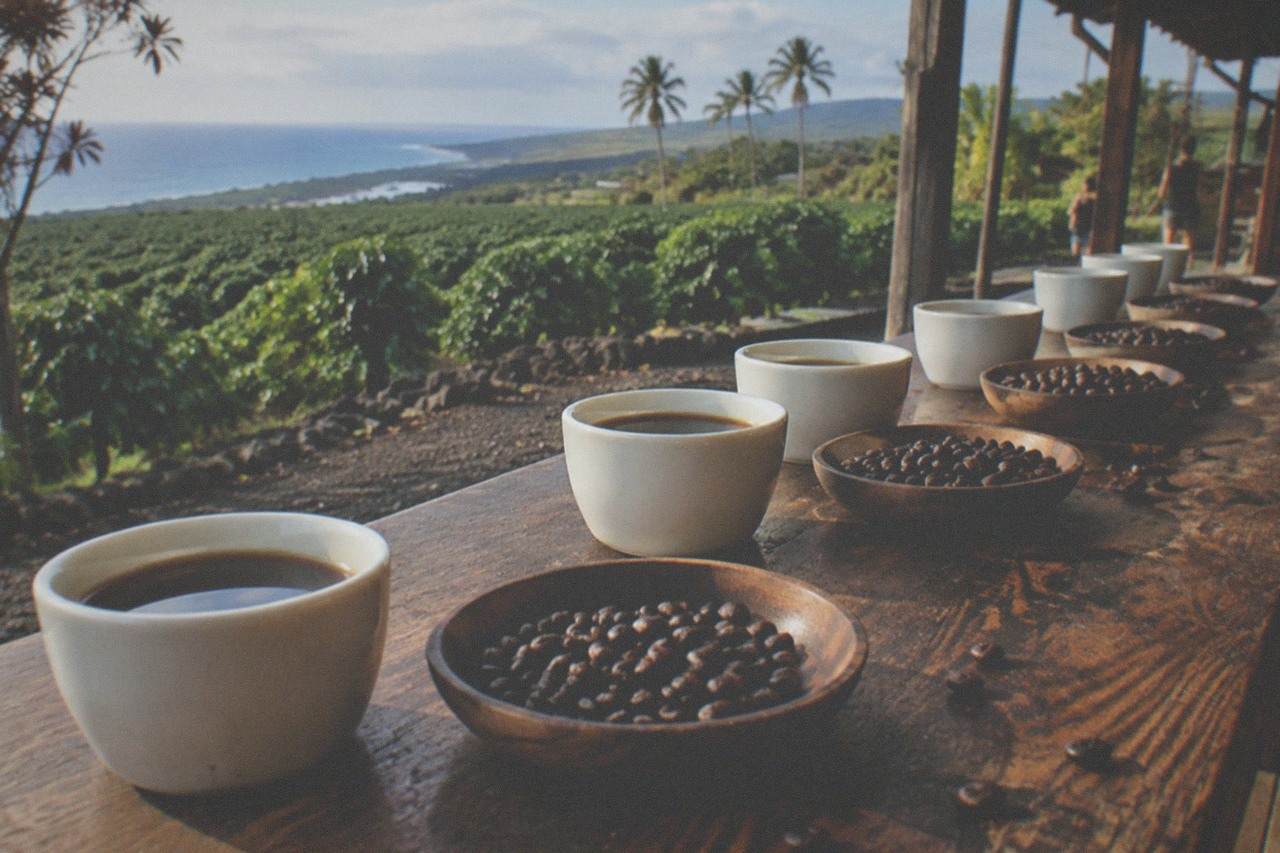
A Kona coffee tasting runs from free pours at farm tasting rooms to a $50 cupping workshop capped at four people. A flight is several coffees served side by side; cupping is the industry's formal scoring method. Bookable tastings-first options start at $5 for a 30-minute sampler and $50 for a one-hour cupping session.
What Is a Kona Coffee Tasting, Exactly?
A Kona coffee tasting is any structured session where you sample Kona coffee deliberately rather than just drinking it: a free pour at a farm tasting room, a paid flight of several coffees served side by side, or a formal cupping session where you score slurped samples like a professional buyer. On the Kona belt these run from free to about $50 per person, and the difference is mostly depth, not quality of the coffee itself.
The Kona coffee belt is a narrow strip, roughly 30 miles long and about 2 miles wide, on the western slopes of Hualalai and Mauna Loa, where farms sit between roughly 500 and 3,200 feet of elevation. Within that small area, soil, rainfall, elevation and roasting choices produce noticeably different cups. Tasting exists on the belt because the variation is real: two farms a mile apart can grow the same typica trees and still hand you two distinct coffees.
That is also why the tasting scene here is unusually dense. Greenwell Farms runs free guided tours daily with tasting at the end, no reservation needed. Mountain Thunder offers free short walk-in tours with sampling. Rooster Farms, the oldest certified organic Kona coffee farm, runs free owner-led visits of about 30 minutes, though an appointment is recommended. Almost every stop on the belt ends with coffee in your hand, which makes it easy to confuse a farm walk with a tasting.
The distinction matters for planning. If you want to learn how coffee is grown and processed, a farm walk is the right buy. If you want to train your palate and compare cups head to head, a tasting-first experience is the better spend. This guide from Kona Coffee Tours separates the two, because the site's roster includes both and they are not interchangeable. For the full picture on walks through the orchards, read the companion piece on Kona coffee farm tours.
What Is a Coffee Flight, and How Does It Work in Kona?
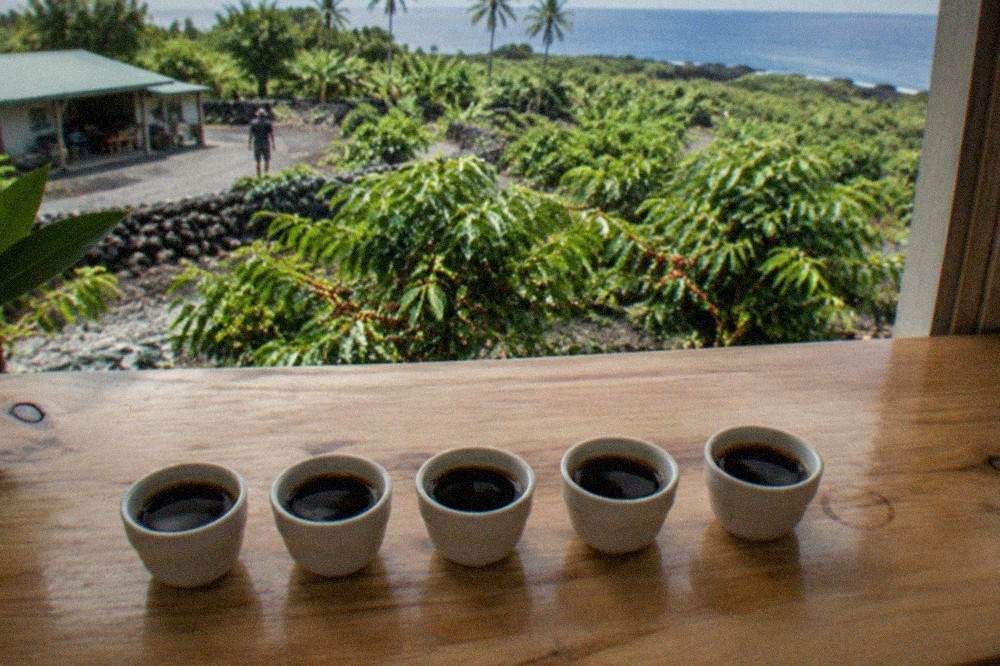
A coffee flight is a set of several coffees served side by side in small portions, usually three to five cups, so you can compare them in one sitting. In Kona, flights typically contrast different farms, elevations, roasts or processes from the same estate, and they cost anywhere from free with a farm visit to about $50 for a dedicated guided session. The point is comparison, not quantity.
Flights work because Kona gives them something to compare. A single estate can pour its light, medium and dark roasts next to each other, or set a peaberry lot beside its regular flat-bean counterpart. Some farms pour half-flights, smaller sets built for two people to share. Hala Tree Coffee, for example, offers tasting flights alongside its farm tours at its Captain Cook location, and its Honolulu flagship cafe, opened in July 2026, carries the same format to Oahu.
When you sit down to a flight, the order matters. Start with the lightest roast and work toward the darkest, sip water between cups, and take notes on the first impression rather than the last. Acidity, body and finish change as coffee cools, so a good tasting room will let the cups sit a minute before you commit to an opinion. If the room is busy, go early: tasting staff can walk you through each cup when the counter is quiet, and that commentary is half the value.
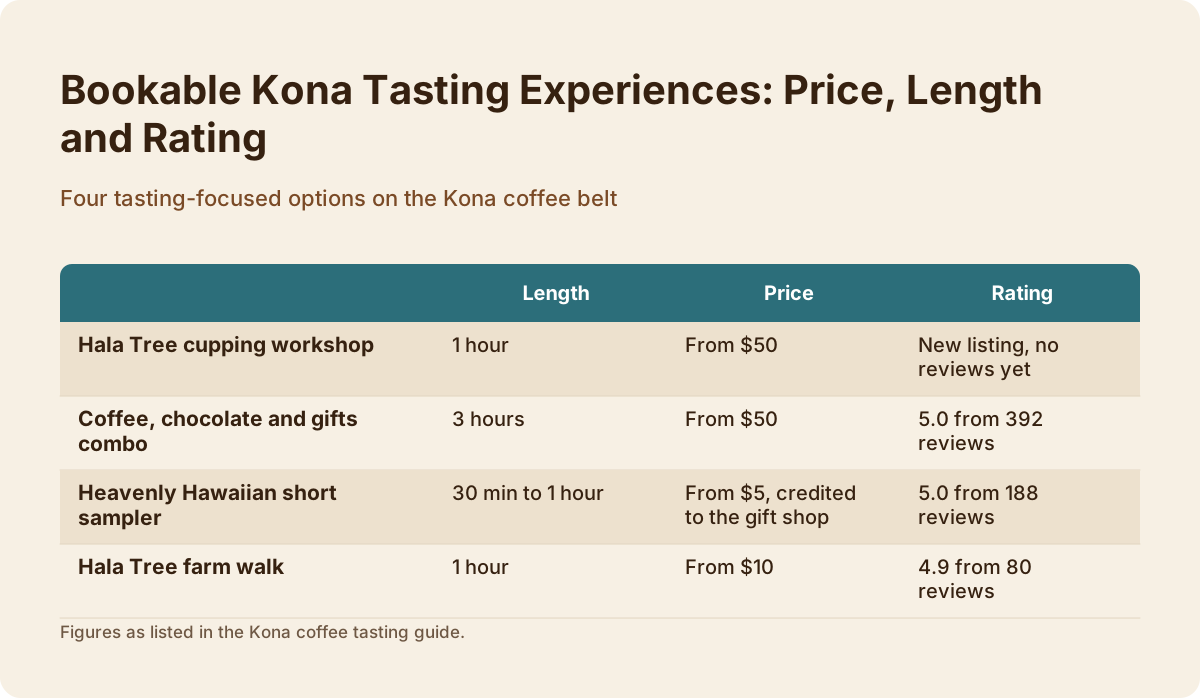
If your priority is the tasting itself rather than the walk, the roster's tasting-first options are the place to start. This trio covers a formal cupping workshop, a long chocolate-and-coffee tasting combo, and a short farm walk that ends in the tasting room.
What Is Cupping, and How Is It Different From a Tasting-Room Pour?
Cupping is the coffee industry's standardized scoring ritual: exactly weighed coffee, water at a set temperature, a crust of grounds broken with a spoon, and loud slurps that spray coffee across the palate so you judge aroma, acidity, body and flavor on a scoresheet. A tasting-room pour is hospitality, generous and casual; cupping is evaluation, precise and a little strange the first time you do it.
In a cupping session, the host weighs the coffee, usually whole beans ground fresh moments before, pours hot water over them in a cup, lets it steep, then breaks the crust with a spoon while everyone leans in to smell. The slurp that follows is deliberately loud: pulling coffee in with air spreads it across the whole tongue in a fine mist, which is how professionals detect flaws and note flavors in a single pass. Nothing about this is elegant, and no one expects it to be.
The difference from a tasting-room pour is structure. When a farm hands you a cup at the end of a tour, you are a guest being thanked for visiting. When a host sets three cups in front of you with a timer and a scoresheet, you are a judge for an hour. Both are worth doing, but they answer different questions: the pour tells you whether you like this farm's coffee, while the cupping tells you why, and how it compares to its neighbors.
Kona takes cupping seriously as a competitive discipline too. The Kona Coffee Cultural Festival, running November 6 to 15 in 2026, includes a cupping competition whose awards are a genuine mark of standing on the belt. If you visit during the festival, you can taste winning lots at the Grand Finale tasting event. Outside festival week, a guided cupping session is the closest a visitor gets to the judge's table.
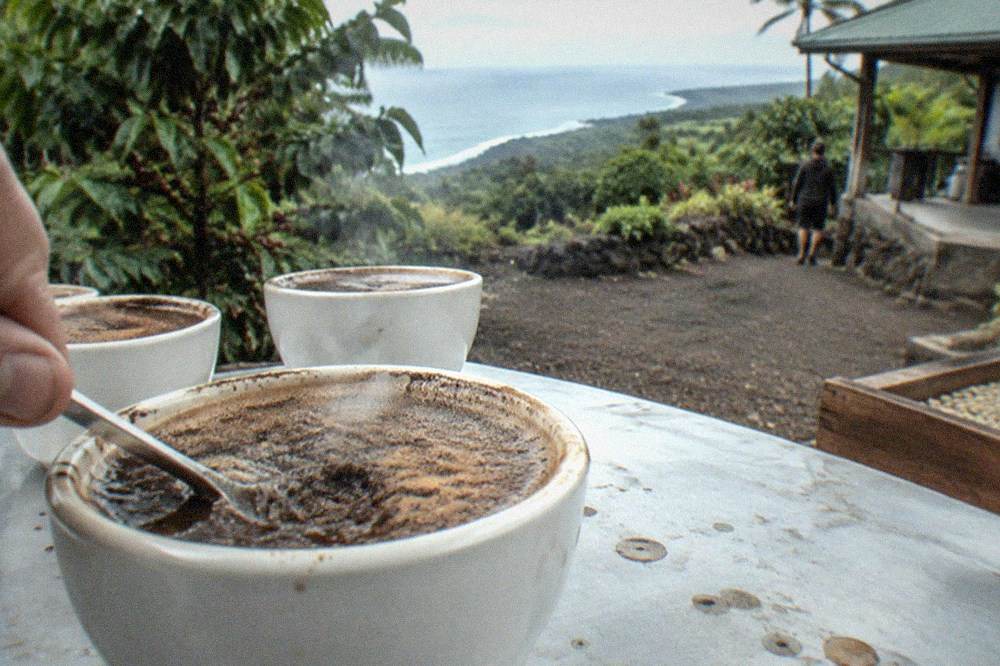
The clearest bookable introduction to cupping on the belt is the Hala Tree workshop, a one-hour session capped at four participants, from $50, at the farm in Captain Cook. It is a new listing with no reviews yet, which is worth knowing, but the four-person cap means real attention from the host rather than a crowd shuffling past a table.
Which Bookable Experiences Put the Tasting First?
Two roster experiences are tastings first and tours second: the Hala Tree cupping workshop, one hour from $50 with only four spots per session, and the coffee, chocolate and gifts combo, three hours from $50 with a 5.0 rating across 392 reviews. Everything else on the roster is a farm walk, a day trip or an excursion where tasting is the closing act, not the main event.
The cupping workshop at Hala Tree is the purest tasting buy. It runs at the farm on Mamalahoa Highway in Captain Cook, lasts about an hour, and the four-participant cap is the listing's own note, so each session stays genuinely hands-on. At from $50 it is the most expensive single hour of coffee on the roster, and the honest framing is that you are paying for instruction and format, not volume. Because it is new, it carries no rating yet; if you want a review-backed experience before your trip, the chocolate combo is the safer pick, and you can compare both on the cupping workshop's tour page.
The chocolate combo, run from Kona Natural Soap's base in Holualoa, is the best-reviewed tour on the entire roster: 5.0 from 392 reviews, three hours, with free cancellation. It is a tasting-and-workshop outing that pairs coffee with chocolate, plus gifts, and it runs longer than anything else in that category.ng-heavy experience rather than a single-farm cupping: coffee, chocolate and gift stops woven together, which suits visitors who want a long morning of sampling without the formality of a scoresheet. The listing's own badge notes it was booked five or more times today, so same-week seats can be tight in season. Check availability on the chocolate and coffee combo's tour page if your dates are fixed.
Here is how the tasting-first options compare with the walks that end in tasting:
| Experience | Format | Length | Price | Rating | Tasting focus |
|---|---|---|---|---|---|
| Hala Tree cupping workshop | Guided cupping, max 4 | 1 hour | From $50 | New listing, no reviews yet | Formal cupping, side-by-side scoring |
| Coffee, chocolate and gifts combo | Multi-stop tasting tour, max 30 | 3 hours | From $50 | 5.0 from 392 reviews | Coffee plus chocolate, several stops |
| Heavenly Hawaiian short sampler | Farm walk plus tasting, max 25 | 30 min to 1 hour | From $5, credited to the gift shop | 5.0 from 188 reviews | Unlimited tastings of five coffees |
| Hala Tree farm walk | Farm walk plus tasting, max 12 | 1 hour | From $10 | 4.9 from 80 reviews | Tasting at the end of the walk |
What Is Peaberry Coffee, and Should You Taste It?
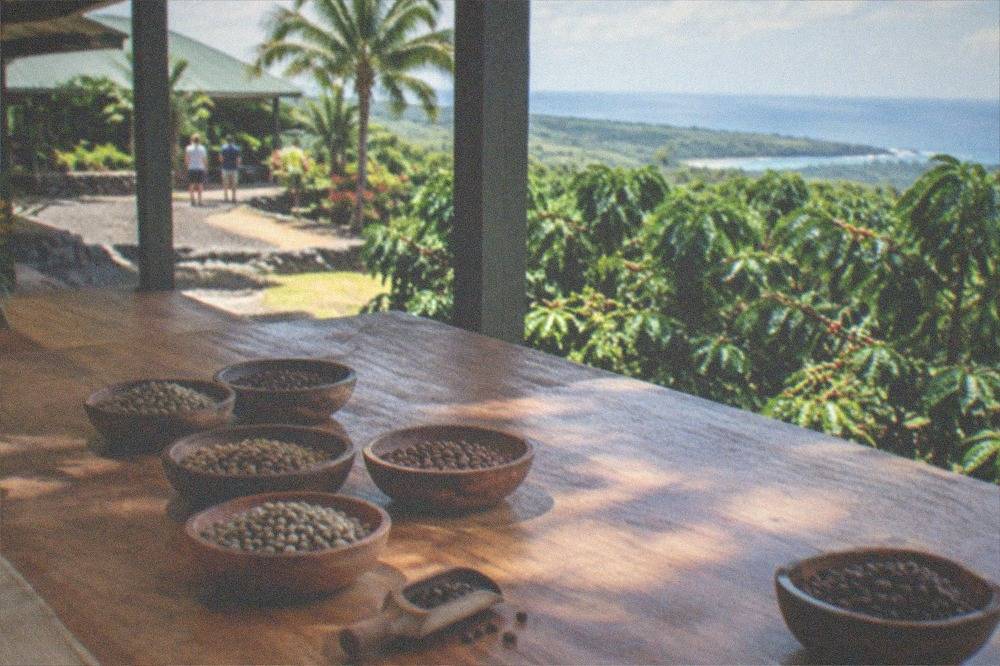
Peaberry coffee comes from cherries where only one round bean formed instead of the usual two flat-sided beans, which happens in a small share of any Kona crop. The round beans are separated out, roasted on their own and sold at a premium, and many tasters find them smoother and more concentrated than the same farm's regular coffee. Whether that justifies the price is a question your palate answers, not this guide.
The mechanics are simple. A normal coffee cherry holds two beans pressed face to face, each flat on one side. Sometimes one bean fails to develop and the survivor grows into a full round pea, hence the name. Because a peaberry rolls and densifies differently in the roaster, many roasters treat it as a separate lot with its own profile, and Kona farms have made peaberry a signature premium product for decades.
In a tasting, peaberry is easiest to judge in a direct comparison. If a farm offers both, ask for the regular and the peaberry side by side and taste them in that order. The differences people report most often are body and finish: peaberry cups tend to read rounder and sweeter, while flat-bean lots can show more edge and brightness. None of that is guaranteed, which is exactly why tasting before buying matters. For more on which farms and labels to buy after you taste, see the guide to the best Kona coffee brands.
| Trait | Regular flat-bean Kona | Peaberry Kona |
|---|---|---|
| Beans per cherry | Two, flat on the facing sides | One, fully round |
| Share of the crop | Most of any harvest | A small fraction, sorted out separately |
| Roasting | Standard lot profile | Often roasted as its own lot |
| Common tasting notes | Brighter edge, more acidity | Rounder body, sweeter finish |
| Price at the farm | Standard estate price | Sold at a premium |
One labeling note worth having in your pocket while you taste: since July 2024, Hawaii law requires any coffee using a Hawaii origin name to state the percent of Hawaii-grown coffee on the front label, and a "Kona blend" needs only 10 percent Kona today, rising to 51 percent on July 1, 2027 (see Cheaper In Hawaii?). Pure Kona carries the Kona Coffee Council's voluntary 100% seal, described on the Kona Coffee Council site. When a tasting room hands you a cup, you are drinking the farm's own 100% Kona; when you buy a bag to take home, read the label with the law in mind.
Which Farm Walks End in a Good Tasting?
Most Kona farm walks finish with a tasting, but the quality of that ending varies with group size and format. The strongest review-backed walks that end in tasting are the Heavenly Hawaiian full-hour tour at from $33 with a 4.9 rating from 265 reviews, and the Hala Tree farm walk at from $10 with 4.9 from 80 reviews, capped at 12 people. Smaller caps mean more attention at the tasting table.
The Hala Tree "Small-Group Farm Walk, Max 12" is the highest rated farm walk on the roster, 4.9 from 80 reviews, from $10, meeting at the farm gate at mile marker 109 on Mamalahoa Highway in Captain Cook. It runs about an hour, seed to cup, and ends in the tasting room where flights are available. At that price it is close to the free direct tours on the belt, with the difference being the small group and the booking guarantee.
Heavenly Hawaiian runs two bookable versions from the same farm in Holualoa. The "Short Sampler Walk, Max 25" costs from $5, with the fee credited to the farm gift shop, and carries a 5.0 from 188 reviews; it runs 30 minutes to an hour and includes unlimited tastings of five award-winning 100% Kona coffees. The "Full-Hour Farm Walk, Max 20" costs from $33 with 4.9 from 265 reviews, and the listing notes it was booked four times today. The near-free sampler is the best tasting-per-dollar on the roster, and calling it near-free is as far as honesty allows: the five dollars is real, it just comes back as shop credit.
Mountain Thunder offers a different shape again: a two-hour organic farm and mill tour, from $30, with 4.8 from 27 reviews, meeting at the Kaloko plantation campus ten minutes north of Kailua-Kona. It is the longest farm walk on the roster and the only one with a working mill on the route, which matters for tasting because you see pulping, drying and roasting before you taste the result. The farm also runs free short walk-in tours daily, so the paid version is for visitors who want the full two hours and the mill floor.
How Much Does a Kona Coffee Tasting Cost?
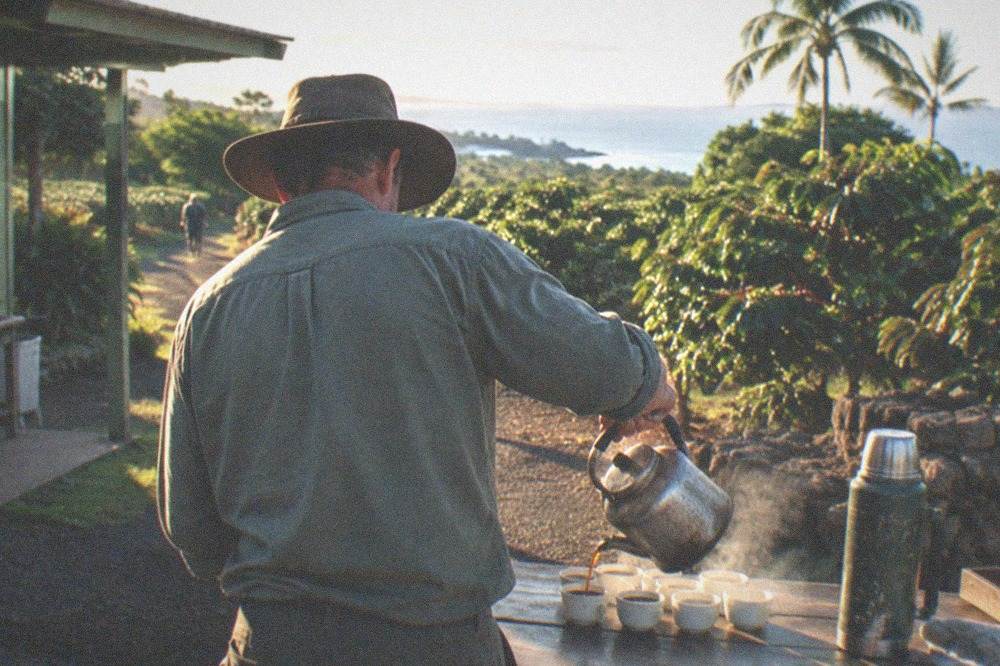
Tasting on the Kona belt costs between nothing and about $50 per person. Free pours come with walk-in farm tours, the near-free Heavenly Hawaiian sampler is $5 credited to the gift shop, standard bookable farm walks run from $10 to $49, and the dedicated cupping workshop tops the ladder at from $50. Tasting fees at farm rooms usually run a few dollars to about $10, often waived with a purchase, so check the room before you commit.
The full price ladder, built from the roster's verified figures:
| Experience | Price | Length | What you taste |
|---|---|---|---|
| Greenwell Farms free tour (direct) | Free | 45-60 min | Tasting at the end of a daily guided walk |
| Mountain Thunder free walk-in (direct) | Free | ~20 min | Farm, processing and sampling |
| Heavenly Hawaiian short sampler | From $5, credited to gift shop | 30-60 min | Five 100% Kona coffees, unlimited |
| Hala Tree farm walk | From $10 | 1 hour | Tasting room pour after the walk |
| Mountain Thunder farm and mill tour | From $30 | 2 hours | Sampling after the mill tour |
| Heavenly Hawaiian full-hour walk | From $33 | 1 hour | Tastings included |
| Ohana Ranch epic tour (Hilo side) | From $49 | 1.5 hours | Farm-to-cup walk, max 12 |
| Coffee, chocolate and gifts combo | From $50 | 3 hours | Coffee plus chocolate across stops |
| Hala Tree cupping workshop | From $50 | 1 hour | Formal cupping, max 4 |
Two honest footnotes to that ladder. Ohana Ranch sits on the Hilo side in Mountain View, about 90 minutes from Kailua-Kona, so it belongs in a volcano-side itinerary rather than a Kona belt tasting crawl. And the free Greenwell tour is direct with the farm, daily, every 30 minutes from 8:30am to 2:00pm, no reservation, with the farm's own tour page carrying the current times; it is not one of the bookable cards, which is exactly why it is the belt's best free tasting.
How Do You Taste Kona Coffee Like a Professional?
Taste in a set order, smell before you sip, and judge each cup in four moves: aroma, acidity, body and finish. Let the coffee cool a little, because heat masks flavor, and compare cups side by side rather than one after another. Professionals slurp loudly for a reason, and in a cupping session you are expected to do the same.
The four-part sequence is the backbone. Aroma comes first, taken as a clean sniff right after the pour and again when the crust breaks in a cupping bowl. Acidity is the brightness on the sides of your tongue, the thing that makes Kona read as lively rather than flat; it is a desirable trait, not a flaw. Body is the weight of the coffee in your mouth, water-thin to syrupy. Finish is what lingers after you swallow, and a long clean finish is one of the marks tasters reward.
Temperature is the amateur's biggest handicap. Coffee straight off the pour is too hot to taste much beyond heat, and flavors open up as it drops toward warm. Give each cup two or three minutes, then go back to the first cup: you will often find it changed. Water between samples resets your palate, and skipping the pastry until after the tasting keeps sugar from flattening the comparison.
Timing your visit to the crop sharpens everything. Harvest runs late August through January with peak picking October to December, and visitors in those months see cherries, wet milling and sun-drying decks in action, which gives the tasting a before-and-after story. The off-season has its own quiet appeal, flowering and green berries from January into April, but if the tasting is the point, an October-to-December trip gives you the fullest version of the belt. The harvest-season guide covers the calendar in depth.
Can You Build a Whole Tasting Day on the Belt?
Yes, and the belt's geography makes it easy: the farms stack along Mamalahoa Highway from Holualoa, about 8 minutes from Kailua-Kona, down through Honalo at about 14 minutes to Captain Cook at about 23 to 26 minutes. A realistic tasting day pairs two or three stops, one formal session and one or two tasting-room pours, with the driving between them measured in single-digit miles.
A sensible shape for a tasting day: start with a morning cupping or the chocolate combo in the Holualoa area, drive south with a stop at Greenwell's free tour in Kealakekua, and finish at Hala Tree in Captain Cook for a farm walk and a flight. That is three tastings, one of them free, inside about 12 miles of highway. Doing more than three in a day defeats the palate, which fades faster than most visitors expect; by the fourth stop everything tastes like coffee.
| Stop | Area | Drive from Kailua-Kona | Tasting format |
|---|---|---|---|
| Heavenly Hawaiian or the chocolate combo | Holualoa | About 8 minutes | Guided tasting or multi-stop tasting tour |
| Greenwell Farms free tour | Kealakekua | Between Holualoa and Captain Cook | Free pour after a 45-60 minute walk |
| Hala Tree farm walk and flight | Captain Cook | About 23 to 26 minutes | Tasting room pour plus flight |
If you are staying Kailua-side without a car, the arithmetic changes. The two shore excursions with pier pickup include coffee stops among other sights, and the sea turtles and coffee tour, 5 hours from $145 with 4.8 from 4 reviews, pairs a coffee morning with a turtle beach afternoon. Those are sightseeing days with tasting inside them, not tasting days, and the belt's free walk-in tours at Mountain Thunder and Greenwell remain the best zero-cost options for independent travelers. For the wider frame, the piece on things to do in Kona places the tasting belt in a full itinerary.
Common Questions About Kona Coffee Tasting
Is there a free tour of the Kona coffee Farm?
Yes, several. Greenwell Farms runs free guided tours daily, every 30 minutes from 8:30am to 2:00pm, no reservation needed, 45 to 60 minutes with tasting at the end. Mountain Thunder runs free short walk-in tours daily, and Bay View Farm offers free 30-minute guided walks Monday through Saturday. These are direct with the farms, not bookable cards.
What is the best coffee tour in Kona?
By review count and rating, the coffee, chocolate and gifts combo leads the roster at 5.0 from 392 reviews over three hours from $50. For a pure farm walk, the Hala Tree small-group tour, 4.9 from 80 reviews at from $10, is the highest rated walk. For tasting itself, the Hala Tree cupping workshop is the only formal cupping session, capped at four people.
What is the difference between a coffee flight and a cupping session?
A flight is several coffees poured for you to compare casually, usually three to five cups. Cupping is the industry's formal scoring method: weighed coffee, timed steep, a broken crust and loud slurps, judged on a scoresheet. Flights are hospitality; cupping is evaluation.
How much does a Kona coffee tasting cost?
From free to about $50. Walk-in farm tours pour free samples, the Heavenly Hawaiian short sampler costs from $5 with the fee credited to the gift shop, bookable farm walks run from $10 to $49, and the Hala Tree cupping workshop is from $50 for one hour.
What is peaberry coffee, and is it better?
Peaberry beans form singly and round inside the cherry instead of in the usual flat pair, and farms roast them as a separate premium lot. Many tasters find them rounder and sweeter than the same farm's regular coffee, but the only honest test is tasting both side by side and deciding for yourself.